

Did you know that just 15 minutes of brain training a day can significantly improve your memory and focus? Whether you’re looking to stay mentally sharp, reduce stress, or simply have fun, brain games for adults are a powerful tool. From classic Sudoku to modern mobile apps, there’s something for everyone. In this guide, I’ll walk you through the top brain games, how they benefit your mind, and how to make them part of your daily routine. Let’s dive into the world of mental fitness!
Benefits of Brain Games for Adults
Alright, let’s talk about brain games for adults because yeah, they’re not just for kids or your grandma with the crossword obsession. I used to think they were gimmicky, like, how much could a Sudoku puzzle really do for my brain? Turns out, a lot more than I expected.
So, a few years ago, I hit this weird mental fog. I wasn’t sleeping badly or anything, but I’d forget little things—like why I walked into a room or where I put my keys (classic, I know). I chalked it up to stress, but a friend suggested I try some brain training apps. I broke out some Sudoku puzzles. And wow, I got hooked.
The first thing I noticed? My focus improved. Like, noticeably. I could sit down and read without checking my phone every five minutes. It felt like a workout for my brain, and yeah, it was fun too.
One of the biggest benefits I didn’t expect was how it helped with decision-making. I used to get stuck in analysis paralysis over the dumbest stuff – like which brand of almond butter to buy. But after a few weeks of regular brain games, I felt sharper. More decisive. It’s like my brain was flexing muscles it hadn’t used in a while.
Now, I’m not saying brain games are some magic fix. They’re not going to turn you into Einstein overnight. But they do help with cognitive flexibility, which is just a fancy way of saying your brain gets better at switching between tasks and adapting to new info. That’s huge if you’re juggling work, family, and trying to remember to drink enough water.
Here’s what worked best for me:
- Daily consistency: 10–15 minutes a day is plenty. I did it with my morning coffee.
- Mix it up: Don’t just do crosswords. Try logic puzzles, memory games, even strategy games like chess or Go.
- Track your progress: Eventually you’ll be able to complete a puzzle pretty quickly. Then it might be time to try two or three puzzles in each session.
Also, don’t sleep on old-school games. I got into jigsaw puzzles during a rainy week and was surprised how calming—and mentally engaging—they were. Same with card games like Solitaire or even Uno with friends. Anything that makes you think a few steps ahead is fair game.
One thing I’ll say—don’t expect instant results. It took me about three weeks before I noticed a real difference. But once I did, it was like a fog lifted. I was remembering names better, staying on task longer, and even sleeping better because my brain wasn’t so scattered.
So yeah, brain games? Totally worth it. Just don’t fall for the hype that they’ll make you a genius. Think of them more like mental push-ups. You won’t get six-pack abs from one workout, but do it regularly and you’ll definitely feel stronger.
Printable Brain Games You Can Do at Home
Sometimes, the best brain workouts come from a good old piece of paper and a pencil. Printable brain games for adults are a fantastic way to unplug, slow down, and give your mind a real challenge. Plus, they’re easy to do at the kitchen table, on a plane, or even during a lunch break.
Sudoku Puzzles for Different Skill Levels
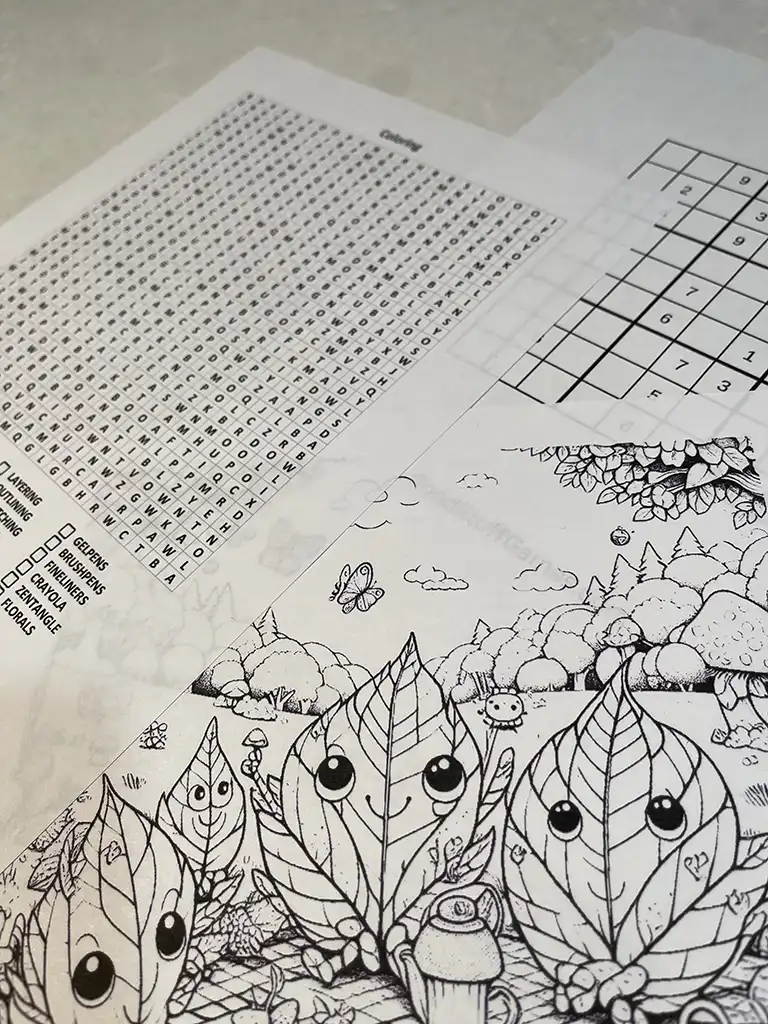
Sudoku is like the gym for your logical brain. Whether you’re a total beginner or someone who breezes through the expert grids, there’s a puzzle out there for you. Start with 4×4 or 6×6 grids if you’re new, then work your way up to the classic 9×9. The trick is to focus on one number at a time—don’t try to solve the whole thing at once. And yes, it’s okay to write in the margins or use a pencil with a good eraser. Mistakes are part of the process.

Word Searches with Themed Vocabulary
Word searches aren’t just for kids—they’re great for adults too, especially when they’re themed. Try ones based on topics like “medical terms,” “travel destinations,” or “classic literature.” They’re sneaky-good for improving spelling and pattern recognition. Pro tip: print a few and keep them in a folder for when you need a screen break. Bonus points if you time yourself and try to beat your best score.
Logic Puzzles and Riddles
These are the ones that make you go “Wait… what?” and then feel like a genius when you finally crack them. Printable logic puzzles often come in grid form, where you have to figure out who lives in which house, owns what pet, and drinks what beverage. (Yes, like that famous Einstein riddle.) They’re excellent for boosting deductive reasoning and patience. Riddles, on the other hand, are great for warming up your brain in the morning—try doing one with your coffee instead of scrolling your phone.
Mazes for Visual-Spatial Training
Mazes aren’t just for kids’ placemats at diners. Complex mazes can actually improve visual-spatial reasoning and problem-solving. Look for ones with multiple paths or 3D-style layouts. They’re especially helpful for people who struggle with navigation or spatial awareness. And honestly, they’re just fun. There’s something satisfying about finding your way through a twisty path with no dead ends.
Crossword Puzzles for Vocabulary Building
Crosswords are the gold standard for word nerds. They challenge your vocabulary, trivia knowledge, and lateral thinking all at once. Start with easy ones from local newspapers, then graduate to the New York Times or themed crosswords (like science or pop culture). If you get stuck, don’t be afraid to peek at a clue or two—learning new words is part of the point.
Printable brain games for adults are a low-tech, high-impact way to keep your mind sharp. They’re also great for group settings—print a few for family game night or bring them to a coffee shop with friends. Want to make it even more fun? Laminate a few and use dry-erase markers so you can reuse them.
Therapeutic and Mindful Brain Activities
Not every brain-boosting activity needs to be fast-paced or competitive. In fact, some of the most powerful mental exercises are the quiet, reflective ones—the ones that help slow the mind, ease anxiety, and bring a little peace into a chaotic day. These therapeutic brain activities aren’t just good for cognitive health—they’re good for the soul, too.
Mandala Coloring for Stress Relief
Coloring isn’t just for kids anymore. Mandala coloring pages, with their intricate, symmetrical designs, are especially effective for calming the nervous system. The repetitive motion of coloring helps shift the brain into a meditative state, reducing stress and promoting focus. It’s not about staying inside the lines—it’s about letting go of perfection and just being present. Try printing a few different designs and using colored pencils or gel pens. The slower you go, the better it works.
Cozy Coloring: A Simple Joy with Big Benefits
There’s something deeply comforting about cozy coloring—curling up with a warm drink, a soft blanket, and a stack of coloring pages. It’s not just a nostalgic throwback; it’s a legit way to unwind and reset the brain. Cozy coloring invites a slower pace, where the focus isn’t on staying inside the lines but on enjoying the moment. Whether it’s a page full of autumn leaves, a sleepy village scene, or a steaming cup of cocoa, the imagery itself can be soothing. Add in soft instrumental music or a crackling fireplace video in the background, and it becomes a full sensory experience. It’s perfect for winding down after a long day or easing into a quiet weekend morning.

Guided Journaling Prompts for Mental Clarity
Sometimes the brain just needs a place to unload. Guided journaling prompts can help organize thoughts, process emotions, and spark creativity. Prompts like “What’s one thing I’m avoiding and why?” or “What does my ideal day look like?” can lead to surprising insights. It’s not about writing a novel—just a few honest sentences can bring clarity. Keep a small notebook nearby and try journaling first thing in the morning or right before bed.
Breathing and Visualization Exercises
Breathing exercises are deceptively simple but incredibly powerful. One favorite is box breathing: inhale for 4 seconds, hold for 4, exhale for 4, hold again for 4. Do that for a few minutes and the brain starts to settle. Pair it with visualization—like imagining a calm beach or a quiet forest—and it becomes a full-body reset. These exercises are great before a stressful meeting or when the mind feels scattered.
Mindfulness-Based Puzzle Solving
Puzzles don’t always have to be about speed or competition. Mindfulness-based puzzles—like slow-paced tangrams, pattern blocks, or even gentle logic puzzles—can help train focus and patience. The key is to approach them without pressure. Let the process be the goal, not the solution. It’s a great way to stay mentally active while also practicing presence.
Gratitude Word Searches and Affirmations
Combining gratitude with brain games? Yes, please. Printable word searches that focus on positive words—like “joy,” “peace,” “growth,” “kindness”—can subtly shift the brain toward more optimistic thinking. Pair that with daily affirmations like “I am capable” or “I choose calm,” and it becomes a mini mental wellness ritual. Stick them on the fridge or keep a few in a binder for when you need a boost.
These activities aren’t about performance—they’re about presence. They help create space in the mind, reduce mental clutter, and build emotional resilience. Whether it’s five minutes of coloring or a full journaling session, the goal is the same: to reconnect with the self and give the brain a gentle, healing workout.
How to Build a Daily Brain Game Routine
Creating a daily brain game routine doesn’t have to be complicated—it just needs to be consistent. Think of it like brushing your teeth, but for your mind. Just 10 to 20 minutes a day can make a noticeable difference in focus, memory, and mental clarity over time.
Start Small: 10–20 Minutes a Day
Set aside a specific time each day—maybe right after breakfast or during your afternoon coffee break. The key is to make it part of your routine so it becomes automatic. Don’t overdo it at first; short, focused sessions are more effective than long, scattered ones.
Mix It Up: Logic, Memory, and Creativity
To keep your brain engaged, alternate between different types of games. One day, try a logic puzzle like Sudoku or a riddle. The next, switch to a memory game or something creative like a visual pattern challenge. This variety helps stimulate different parts of the brain and keeps things from getting boring.
Track Your Progress
Use a printable log or a simple app to track what you’ve done each day. It doesn’t have to be fancy—just jot down the type of game, how long you played, and how you felt afterward. Seeing your streak grow can be super motivating, and it helps you notice patterns in what works best for your brain.
Pair It with Physical Activity
Here’s a fun trick: combine brain games for adults with light movement. Try doing a crossword while walking on a treadmill, or solve a word search while stretching. Studies show that physical activity boosts brain function, so pairing the two can amplify the benefits.
Make It Social
Brain games for adults don’t have to be a solo mission. Play a round of trivia with your partner, challenge a friend to a memory duel, or do a puzzle with your kids. Making it social adds accountability and makes the whole thing more fun. Plus, laughing over a tricky riddle or celebrating a win together is good for emotional health too.
The goal isn’t perfection—it’s consistency. A few minutes a day, a little variety, and a touch of fun can go a long way in keeping your brain sharp and your mood lifted. Want a printable brain game tracker to get started? I can help create one for you!
Tips for Choosing the Right Brain Games for Adults
Not all brain games are created equal—and not every game is right for every brain. Choosing the right ones can make the difference between a fun, effective routine and something that feels like a chore. Here’s how to pick games that actually help and keep you coming back.
Match Games to Your Cognitive Goals
Start by asking: what do you want to improve? If it’s memory, go for matching games, recall challenges, or number sequences. For focus, try attention-based games like Stroop tests or timed puzzles. Want to boost problem-solving? Logic puzzles and strategy games are your best bet. The more specific your goal, the easier it is to find games that support it.
Choose Games That Are Actually Fun
This might sound obvious, but it’s easy to forget: if the game isn’t enjoyable, you won’t stick with it. Some people love fast-paced challenges, others prefer slow, thoughtful puzzles. Try a few different styles—word games, visual puzzles, trivia, even creative tasks like drawing prompts—and see what clicks. Fun is fuel for consistency.
Look for Scientifically Backed Platforms
Some brain training apps are just flashy distractions, while others are built on real cognitive science. Look for platforms that cite research or have been tested in clinical settings—like BrainHQ, Elevate, or CogniFit. These apps often include adaptive difficulty and track your progress in meaningful ways.
Balance Screen Time with Offline Activities
Digital games are convenient, but don’t forget about offline options. Printable puzzles, board games, and even coloring pages can be just as effective—and they give your eyes a break from screens. A good mix of both keeps things fresh and helps avoid burnout.
Adjust Difficulty as You Improve
If a game feels too easy, it probably is. The brain grows when it’s challenged, not when it’s coasting. Look for games that scale with your skill level or let you manually increase the difficulty. That little bit of struggle? That’s where the growth happens.
Choosing the right brain games is a bit like picking the right workout—you want something that fits your goals, keeps you engaged, and pushes you just enough. Try a few, mix them up, and don’t be afraid to switch things out as your needs change. Want help building a personalized brain game plan? I’d be happy to help with that too!
Brain games for adults aren’t just a trend—they’re a smart way to stay sharp, reduce stress, and have fun. Whether you prefer printable puzzles or mobile apps, the key is consistency. Start small, stay curious, and challenge your brain daily. Ready to level up your mental fitness? Try one of the games from this list today and feel the difference!